The Simple Wooden Clothespin Has a Much More Interesting History

Photo of author
Author: Emma Carter
Published:
647554515 1945198393058235 1940702524769311703 n 1

Most people see a wooden clothespin and think of laundry.

But these little wooden tools once represented something much bigger: a time when washing clothes could take an entire day, families worked together around the wash line, and everyday household objects were built to last for generations.

The humble clothespin may look simple, but its story is tied to changing technology, household life, craftsmanship, and even the way people learned to reuse ordinary objects.

https://images.openai.com/static-rsc-4/8_YybaYnxA7FkqXieYzcsBXq6BUryKkVksCyl0awHOX3COcl6jrw6PCDT4kG2yJgloRsEXF9j-b6vEucpaWh-KaeTo6fEDewUcFloFDDI6F8GS5ag8Zt4_xkUToRi9zeHtE3-JanZBs0VCrnXue_l3PbJHYyinTNlC_1p-N81OwuiDrPdJXaLrydbi4nXI2Z?purpose=fullsize
https://images.openai.com/static-rsc-4/qdoQDqF-5oEWLLjPkPOhP4k98Btu6P5S7ycbpM7omED-eNHA4VvguzKuahqxXi20ip8a3fckPwn63ZhoZxZLggCQb6ij5ae8jQ27TuWQdYnkqdi-om7VUiqLGtr-2F8ZxfjhR-EdO8oNwyHl8l7ZX515dSWmSd2-d_8o5jORVGEZptC_e9x0Tz54l3C8BR4o?purpose=fullsize
https://images.openai.com/static-rsc-4/T1gkXbC453qCreA0Of44A93tWripD-00LwitFlv3cao-stfTVrFdbvMoMX5ei8R8fTmsPj0KEjiEEmqWORYDsHDxACbn5RwgLc73a6mfPN5oiZPtduiyhSN7lavn11LZ-ex-89DLNJjL2GWMlLmTW2HjhqUVPEqcx2vsWMQoxhH-YcIzMemmgFzZtLIDDSsr?purpose=fullsize
5

Part 1 — Before Clothespins Made Laundry Easier

Before modern washing machines and dryers, doing laundry was hard physical work.

Clothes were washed by hand, often using tubs, washboards, soap, and large amounts of water. Once the clothing was clean, it had to be hung outside to dry.

That created another problem.

A strong breeze could send freshly washed clothing flying across the yard.

Early clothes-holding tools were made from materials such as wood, bone, metal, and horn. Many were handmade, which meant that no two pieces necessarily looked exactly alike.

By the 19th century, wooden clothespins became increasingly practical and affordable.

Their design was simple for a reason.

They didn’t need electricity.

They didn’t need complicated mechanisms.

They simply needed to grip a piece of fabric tightly enough to keep it on the line.

https://images.openai.com/static-rsc-4/haqMNbpw-rWhAZpHlsK9umLOk0JlfVPe7uWSwV_CrWUk0Uxgh0J5xQt8ixgnhDapOgOuI-CawapVpjoQ24VGp5OcVhoP7gQI8xmsCsZzuZS9hOO3Hbvh45bbjidBIGtnfY1pgSjEE444ARfZo_f6sa1vdipvMl8xZ65MZobRykQ3-28r6UZ1MVdfRwUdSRDP?purpose=fullsize
https://images.openai.com/static-rsc-4/fUeVaXH1XM0EqW5Q_B2nI27_-a3bZHAxv2_AanlJjiNqhbaDnO8dwLSF0wwJjQuiQUq7fN5dzA-LBl-GVGLhgJC39r1R1zPQ73wHdfGiUCJRkOG07cK5xbmqAU3MkwU_GcsjG9fy-BMJR2R-Br8ZjVgn5iDdeqwjMRn-Ze8g0KHFkP4geE5MCXWWoHj1oarg?purpose=fullsize
https://images.openai.com/static-rsc-4/qdoQDqF-5oEWLLjPkPOhP4k98Btu6P5S7ycbpM7omED-eNHA4VvguzKuahqxXi20ip8a3fckPwn63ZhoZxZLggCQb6ij5ae8jQ27TuWQdYnkqdi-om7VUiqLGtr-2F8ZxfjhR-EdO8oNwyHl8l7ZX515dSWmSd2-d_8o5jORVGEZptC_e9x0Tz54l3C8BR4o?purpose=fullsize
5

That simplicity was one of their greatest strengths.

Part 2 — Why the Old Wooden Design Worked So Well

The classic wooden clothespin is remarkably straightforward.

Two pieces of shaped wood can work together to grip fabric, while a small spring provides the pressure needed to hold everything in place.

Older handmade versions could be surprisingly sturdy.

The wood was easy to shape, inexpensive compared with many other materials, and widely available.

And unlike disposable plastic products, a good wooden clothespin could remain useful for years.

People also discovered that these little clips were useful for much more than laundry.

They could hold photographs.

They could keep papers together.

They could close open food packages.

They could be used for school projects, decorations, and countless homemade crafts.

https://images.openai.com/static-rsc-4/PG28sn7s7oLF8cI0nhd-33bYe-sh_sGXTdhmhNpV8QQ8Tko9QURGg2ao7MWxHCEzqgREUKPg6DyjRnSdCGTNtR52sHzl4dVBs-6DpRk92RcCmQrFRwLdpaipoVk1RDWu8F4r8Uzq7OgewAtQP8H2dWhT_WwBtCfNPEldgFNjBW0gTJw_qJLCisG7LosiGj9K?purpose=fullsize
https://images.openai.com/static-rsc-4/iDMW5zntUIOATFH1bGcYfqk5xULQK_n2TlYyYyTng2IDZVgj_RuTjUrQkf5bo-4bXBC8_53TVum6a6LRyw2-RNFPwDv-uGZPQ-Wx_ZZoSMu7Gzu0cCsS8Qdqz7XmCvTdZUi2Ok2OJtOBDI_i4Z9EJyWPo2jK_tih6PshE4EICWGP4XDNamrx27rHHNZBzhuv?purpose=fullsize
https://images.openai.com/static-rsc-4/uSi_eVyv0sz1jALdqUIu65QUJ6nUkYyFNDXCmNtBt0865wTqQFwVrhUMNk8p7qZ6iE8HyzJ5Ny_N7mQj9PU87fj0Wm0eljJJGTfdjfzKaLt_TAq43uIK0VyR7kxS4dorA2yV4jaNcQoeOlJh9-TsA2T2Rlbt8L4MJh_BT7KaBJSsq9yeU1N27X0N72q4QIa_?purpose=fullsize
6

That versatility helped keep them around even after modern appliances changed the way people washed and dried clothes.

Part 3 — When the Clothespin Became a Memory

For many older generations, wooden clothespins aren’t simply household objects.

They’re memories.

They can bring back the image of a backyard filled with freshly washed sheets.

They can remind someone of a grandmother hanging clothes outside on a sunny morning.

They can even evoke childhood memories of helping carry laundry baskets or collecting clothespins from the grass after a windy afternoon.

There was something almost ritualistic about laundry in those days.

Clothes were washed.

They were carried outside.

The line was stretched.

The clothespins were collected.

And eventually, everything came back inside smelling of fresh air.

https://images.openai.com/static-rsc-4/G-QiaZqWw2SNB_ehwSChUZNKlmr5B37TQNBBHN_3Vl2LANkfFDknBdwmhVxo6bI5Y0mzVbSRPCkxPgzlNfcqwp4XGpE23Pnx0DYyth2POQFWVkDxPa2ffguReX2x49rR34XMqraLk7OM1yhlUoOZ93_-XfkeWhBqH8lAVcjPU7RN79-0IxL6ezVgY38Ixeuy?purpose=fullsize
https://images.openai.com/static-rsc-4/5RsCkBPOIu815PKbtM33obeU6WWN_c-5WFMgtmNOcwt8B3d61foWm-7cfEC86Vqiy1PGPURwERWZ1TtKJj_41Y8nYPIiHhs7EklYFhru2OxzwvMXGlDoVibHiKj7W5s_sTWU0oqv4id7EOygbddjLcr9M06-UePtbJXzsyWRSAvh_yH9COwpgZD5WUR6M9ZW?purpose=fullsize
https://images.openai.com/static-rsc-4/a-IMqmIIi7kksIShrejoNb98NvUAeL95f7yNAwb-zFoWIP75b-ako2RFtJb1lmqR1ZhwXId3beHsv6D7mzl1vaBKhur7oTwal1ABdQET5mBhgvc_lpBnIShMEJcweDo_-BW0fv-O4hrtY-L8cuZwuPRoMedwU-g5mTaNLX2TnSeTZrDNWhKaWFLxhFov_Lom?purpose=fullsize
7

Today, many of those tasks can be completed with the push of a button.

That’s convenient.

But it also means that some of those small household rituals have disappeared.

The wooden clothespin survived because it remained useful long after the world around it changed.

Part 4 — Why People Still Keep Them Today

You might think there is little reason to own wooden clothespins in the modern world.

But look around, and you’ll find plenty of uses.

They can be useful for organizing cables, hanging children’s artwork, displaying photographs, sealing certain food packages, labeling objects, and creating simple decorations.

They’re also popular in crafts because they can be painted, glued, cut, stacked, and transformed into completely different objects.

And there’s another reason people continue buying them.

They feel familiar.

https://images.openai.com/static-rsc-4/PG28sn7s7oLF8cI0nhd-33bYe-sh_sGXTdhmhNpV8QQ8Tko9QURGg2ao7MWxHCEzqgREUKPg6DyjRnSdCGTNtR52sHzl4dVBs-6DpRk92RcCmQrFRwLdpaipoVk1RDWu8F4r8Uzq7OgewAtQP8H2dWhT_WwBtCfNPEldgFNjBW0gTJw_qJLCisG7LosiGj9K?purpose=fullsize
https://images.openai.com/static-rsc-4/1XnuPkBdx_66FvhjY1nZuYWdxYNHtt7GDEpcjzc-JP_Vzk6Qg2Jf8seU7RGNxYrml4kLVLBKHOWHBwrjzW8b2iluxirEMIxPv8dTNB0VA73R-0yl3-68lQfVWAiTrF3z2KB06-AYW7krGub4oZf5gYII-xJ2G-atSfHLVuClf_Yd1IWARO0V5--ExbhlJKkg?purpose=fullsize
https://images.openai.com/static-rsc-4/JpTYs_NHW8r1Id-vha4_q3SZwD4FrWyYCxZ8Rkib1YLZd7xvxzv3DXbLi4RB4Ca5vUiAie_s2SqXuJ6NWOb0pAytBxFWFbXS_42O01xehtEu-Pf6QCZDdxjcApyvFENDyuERiuwB658NdDiqW8fL-7y-0DiwHyqv3HW9MYwop1sYjDVIzmkqZ0u9VCA0dfFe?purpose=fullsize
7

In a world filled with disposable plastic products, an old-fashioned wooden clothespin represents something different.

It is inexpensive.

It is reusable.

It is simple.

And it doesn’t need to be replaced every few weeks.

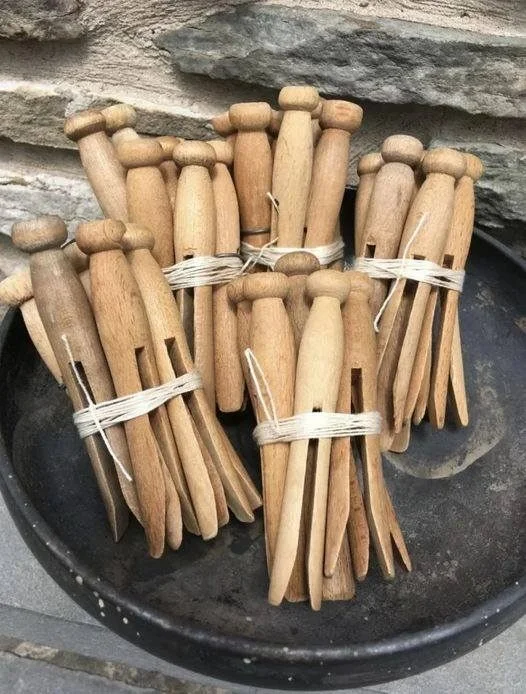
Perhaps that’s why the object in the photograph looks so familiar even to people who haven’t used one for years.

Those small wooden figures once belonged to almost every laundry day.

They held sheets against the wind.

They held children’s clothes on backyard lines.

They sat in baskets beside washing tubs.

And eventually, they became part of the visual language of an older, slower way of life.

Today, a handful of vintage wooden clothespins might look like nothing more than old pieces of wood.

But hold one in your hand and you’re holding a tiny piece of household history.

Sometimes the simplest objects survive not because they’re complicated, but because they simply work.


You Might Also Like...

DIY Okra & Clove Collagen Toner: The Viral Beauty Recipe Everyone Is Talking About

DIY Okra & Clove Collagen Toner: The Viral Beauty Recipe Everyone Is Talking About

Should You Clean Up After Yourself at a Fast-Food Restaurant? The Simple Etiquette Rule Most People Get Wrong

Should You Clean Up After Yourself at a Fast-Food Restaurant? The Simple Etiquette Rule Most People Get Wrong

Pick a Rose and Discover What Your Choice Might Say About You

Pick a Rose and Discover What Your Choice Might Say About You

Doctors Are Paying More Attention to Chayote—Here’s What Eating This Overlooked Vegetable May Do

Doctors Are Paying More Attention to Chayote—Here’s What Eating This Overlooked Vegetable May Do

Leave a Comment