Orchids: The One-Tablespoon Fertilizer Trick That Could Help Encourage More Blooms

Photo of author
Author: Emma Carter
Published:
722075481 2085334675674027 8402398530064348968 n 400x250 1

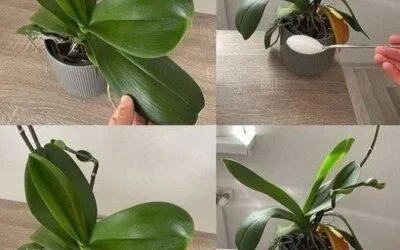
Your orchid may have healthy green leaves and still refuse to flower—and that’s exactly why fertilizer can become tempting. One popular orchid-care tip claims that just one tablespoon of the right fertilizer can provide the nutrients an orchid needs for stronger growth and more abundant blooms.

But there’s an important catch: the amount alone isn’t what makes a fertilizer effective. The type of fertilizer, its nutrient concentration, and how it’s used all matter. The source article promotes the one-tablespoon approach but does not identify the specific fertilizer formula or provide enough information to safely recreate it.

https://images.openai.com/static-rsc-4/F7TuD6XTqdEZWgNTPCHxI_hV9X9cHfE6-cGWIcfpzwKytTi7up8B45Wn5i90YSVR6FwFx9WkI5845HnGEla4j0XK0xKMJ9EiM3QeEeC7GysnuFhSzZ9N_YwEipCPlfbhKEBy2pT5Y23zxqPFa_96bKMNylQqT4oYQYBNP9hRkHGKEXoP8DzPECr4pgPBAybN?purpose=fullsize
https://images.openai.com/static-rsc-4/pa2b8_fi1Cv4wvTQseRqI1lD5xtSBJB3nmPrEJMskI8d6vhhFWsICnMAGol5PNl-fINlUWxGpitQQseLoz-RkQv37FyrcsAqSFMc3mtxMimjaxKlFGLp2lavBz5uaOTz9q1XQnMDSrRoET9RwvkjaWaNJp2tXfH4RbmR_FO-YwGY1_Wyi30t_rBVhGDeejA6?purpose=fullsize
https://images.openai.com/static-rsc-4/zMNpaQdkAk9RFmLIn1DcEdVfRze82epRFAtvdN_bUnlSmTDWkt_BfADWtGYYYzmPL0ugAC5erPB263gNqK62Rem-VHidkVLg3awGhIyYhJX9Akf4okg9vOXksc81-cwCN-II_1E6_v875uuvR6tkQkXdyFqfLC8KeExxK3OjS-rEUx_0Lw7CAPk27rFivCHM?purpose=fullsize
6

Why Fertilizer Matters for Orchids

Orchids need nutrients to support healthy leaves, roots, and flowers.

The source explains that orchids need a balanced supply of nutrients and suggests that a fertilizer formulated specifically for their needs may work better than simply using an ordinary plant fertilizer.

That doesn’t mean an orchid needs a large amount.

In fact, the central idea behind the one-tablespoon method is “less is more.” The source argues that a concentrated fertilizer can provide nutrients in a small, measured amount while reducing the temptation to overfeed the plant.

Why the One-Tablespoon Amount?

According to the source, the one-tablespoon measurement is intended to provide a controlled amount of nutrients rather than encouraging excessive fertilization.

The article emphasizes that over-fertilizing can do more harm than good and presents the measured amount as a way to avoid giving the orchid more fertilizer than it needs.

https://images.openai.com/static-rsc-4/yp_6U-hm74SIvdGftVHisoe8o5PStSjz7eJ_dUBwoVJKIMc5W6tujpGR4bAnnd6AlrW0p0vcgpy5dUzobWdKi905GYWny8t6WvAS_Y6HLyrKXh_1iUA6L7kD7thyE1zaXsblR2-3PHKvkYHLFEP6XorI20Z0qvLPcUM41WMMxg5v21I-gb_QTbAY7OrTqimQ?purpose=fullsize
https://images.openai.com/static-rsc-4/_yYN2HkuSi8TCvCcKWQaKzYEnbQYT-2OzGSeMo2u6qQ2MLxENYlQJ7K5Lm75nsUZMuoFpxsfJlx2tvI8LF9F6flh2pxvuSBJtogwgVUlgLADfBDCnQtOkzBurKFKg2LGevKVLZ_LnJFVDJXWh1EBzYcD3ELteyifaLHdKaIT7tbEQNWD5dGbeN4bGTYofc9t?purpose=fullsize
https://images.openai.com/static-rsc-4/xFlVL1khC_3th3wuPiNW21hqQx9jD1pdYO5kbZFLGtJaaQ2FfAcxbrtJl3Yr83_GW1hTosTd1WYE9hepXtgtptOytByLlz2XjabeeUPphGu8AzZk8GHGBQ3ICx1ZJJR5-d8F2FfcxW4pyt2bFFjD0xWlZZq2oX8YvTRd1Vs_a58gWTmv8s_abzcBtROo2Lf4?purpose=fullsize

However, there’s something important to keep in mind: a tablespoon is only meaningful when you know exactly what product you’re measuring.

Different fertilizers have different concentrations. One tablespoon of one product may contain very different amounts of nutrients from one tablespoon of another.

So don’t take the article’s measurement as a universal instruction for every orchid fertilizer.

The Goal Is Stronger, Healthier Blooms

The source connects appropriate nutrition with healthier orchid growth and stronger blooms.

With consistent care and an appropriate nutrient formula, the article says orchids can produce an impressive display of flowers.

https://images.openai.com/static-rsc-4/acod377OEstFToyVJC75seeJW15kJN6SqOQA_m7b72gBiuoB-B2csuhm9R2J19d2JHkOx5ctSzz2mF1LoXoUprVqaa8qjeeRfcJuySYS55QTjHFqd8g2YgnSnwEFUNHy89OeNGMLXd6asitdtNtnGVOB3SkB0X0KD9Ckb8rKHSWxzcw6iUghEABplS5XaHfy?purpose=fullsize
https://images.openai.com/static-rsc-4/3R_QCnyHZVmgBbPsrCtCkh7NgBVqhrte4AxS9wGKHWfjW-1xo1DapyTNKlabTNHknCWihddSKPmjLSEaj-LPLf2Mi-RNHq5LOtladWHZu0ziZR-Fka6XB2B1_NK3RGQmtCBEEnh1FUngNl_muWRk6CM5yJu8rmaKqarGCphXBaZ70oQKDvb4AeErZjzGKY84?purpose=fullsize
https://images.openai.com/static-rsc-4/fHxIQv04ANo315lQaSYUVmINWX4_xrU0_z-WayP2eZPapKlvsWWvsOOgLpjkf6mehvj5QthL_soEHEU1AO8G_ZxX7RGwds-fp53LBlOVwn1-Ie_QBe0oklqNW_THq40HwKXPUWpNCJ6N0s4mcX4CBv346eagVYi7APRp8ivw53Jtb0SWCEzIbHR0Zbc4cpmV?purpose=fullsize

Still, it’s better to think of fertilizer as one part of orchid care, rather than a guarantee of nonstop flowering.

An orchid’s blooming also depends on its overall growing conditions and natural growth cycle.

Don’t Make the Common Mistake of Using More

If one measured dose seems helpful, it can be tempting to assume that increasing the amount will produce even more flowers.

That’s not a good approach.

The source itself stresses that over-fertilizing can harm orchids.

A measured approach is safer than simply adding more fertilizer whenever the plant isn’t blooming.

What About the Exact Fertilizer?

Continue Reading For More Helpful Tips →

Continue Reading →

You Might Also Like...

The Number of Threes You See May Reveal Something About Your Personality—But There’s a Catch

The Number of Threes You See May Reveal Something About Your Personality—But There’s a Catch

Celery Juice for Your Liver? What This Simple Green Drink Can—and Can’t—Do

Celery Juice for Your Liver? What This Simple Green Drink Can—and Can’t—Do

Can You Freeze Butter? Yes — Here’s the Best Way to Keep It Fresh

Can You Freeze Butter? Yes — Here’s the Best Way to Keep It Fresh

St. Patrick’s Day Dinner Idea: Skip the Corned Beef and Try This 3-Ingredient Irish Classic

St. Patrick’s Day Dinner Idea: Skip the Corned Beef and Try This 3-Ingredient Irish Classic

Leave a Comment