
The first gray hairs can appear sooner than you expected, and once you notice them, it’s easy to start looking for a simple way to make your hair look darker and healthier again.
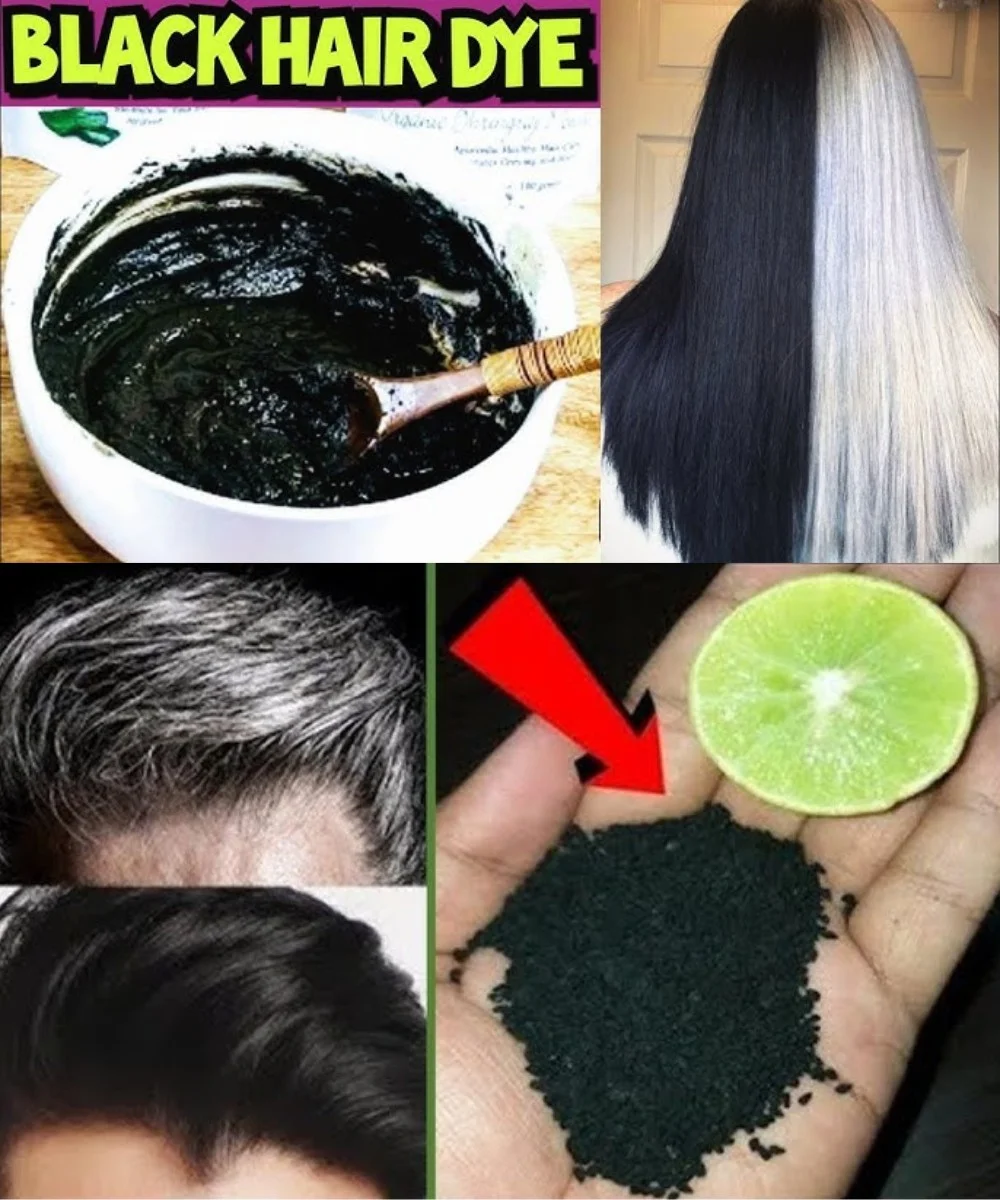
One homemade combination that has attracted attention is lemon juice and activated charcoal. The ingredients are inexpensive, easy to find, and simple to turn into a quick hair treatment.
While this kind of mask shouldn’t be expected to permanently restore the pigment that causes gray hair, it can still be used as a simple homemade hair-care treatment when prepared and applied carefully. Hair turns gray when follicles produce less melanin, and genetics and aging are major factors.


Why Does Hair Turn Gray?
Hair gets its natural color from melanin, the pigment produced inside the hair follicle.
As the follicle gradually produces less melanin, newly growing hair can become gray or white. For many people, this is a normal part of aging, while genetics can strongly influence when it begins.
Stress, certain health conditions, lifestyle factors, and nutritional deficiencies can also be associated with premature graying. If gray hair appears unusually early or suddenly, it’s worth discussing it with a healthcare professional rather than relying only on home remedies.
Why Lemon and Activated Charcoal?
Lemon and activated charcoal are often used in homemade beauty routines for their different properties.
Lemon juice provides a naturally acidic ingredient that can be incorporated into a simple hair-care mixture.
Activated charcoal is commonly found in cosmetic products designed for cleansing and removing excess oil or surface buildup.
Together, they make an easy homemade mask that can be applied to the scalp and hair.
The important thing is to keep expectations realistic: this is a hair-care recipe, not a proven method for restarting melanin production inside gray hair follicles.
How to Make the Lemon and Charcoal Hair Mask
Ingredients
- 1 cup warm water
- 1 fresh lemon
- 2–3 tablespoons activated charcoal powder intended for cosmetic use
If you’re making the recipe for the first time, it’s better to prepare a small amount rather than making a large batch.
Step 1: Prepare the Charcoal
Place the activated charcoal powder in a clean bowl.
If you’re using charcoal that isn’t already finely powdered, don’t use random pieces of household charcoal. Use a product specifically intended for cosmetic use.
Step 2: Add the Lemon
Squeeze the fresh lemon juice over the charcoal.
Mix the ingredients slowly so the powder doesn’t become airborne.
Step 3: Add Warm Water
Gradually add the warm water while stirring.
You want a smooth mixture that can be spread through the hair without becoming excessively runny.


Step 4: Apply the Treatment
Apply a small amount to your scalp and along the hair, paying attention to areas where you want to use the treatment.
Avoid your eyes and don’t aggressively scrub the scalp.
If your skin feels uncomfortable while applying it, rinse the mixture off rather than trying to leave it on longer.
Step 5: Let It Sit
The original recipe suggests leaving the mixture on for 20–30 minutes.
Because lemon can be irritating for some people, especially on sensitive skin, don’t assume that leaving it on longer will produce better results.
Step 6: Rinse Thoroughly
Rinse your hair well with lukewarm water until the mixture has been completely removed.
Follow with your usual gentle shampoo and conditioner if needed.
How Often Can You Use It?
There’s no established treatment schedule showing that lemon and charcoal can reverse gray hair.
If you’re using this simply as a homemade hair-care mask, start conservatively rather than automatically applying it several times a week.
Pay attention to how your scalp and hair feel afterward. If you experience dryness, burning, itching, redness, or irritation, stop using the treatment.
A Few Simple Hair-Care Tips
If you’re concerned about gray hair, the basics still matter.
A balanced diet, adequate sleep, avoiding smoking, managing stress, and protecting your hair from excessive sun exposure are all sensible parts of maintaining healthy hair. Dermatologists recommend these lifestyle habits as part of an overall approach to hair and scalp health.
If you want to cover gray strands rather than simply care for them, hair coloring is a more predictable cosmetic option. Both natural coloring products such as henna and conventional dyes can be used, although some dyes may irritate the scalp or cause allergic reactions.


A Simple Reminder Before Trying Any Homemade Mask
Natural ingredients can still irritate the skin.
Before applying a new mixture over your entire scalp, consider testing a small amount on a limited area first. Keep lemon away from your eyes, and don’t apply the mixture to a scalp that is already irritated, scratched, or sunburned.
And if you’re experiencing sudden or unusually early graying, especially alongside other changes in your health, it’s better to find out whether an underlying issue could be contributing to it.
Final Thoughts
Lemon and activated charcoal make an interesting, inexpensive homemade hair-care combination that’s easy to prepare at home.
The recipe is simple: mix the ingredients into a smooth mask, apply it carefully, leave it for a short period, and rinse thoroughly.
Just keep one thing in mind: gray hair develops when the hair follicle produces less melanin, so a topical mask shouldn’t be presented as a guaranteed way to restore your original hair color.
If your goal is healthier-looking hair, gentle care and a balanced routine are a better place to start. And if your goal is covering gray strands, there are established coloring options that can give you a more predictable result.