
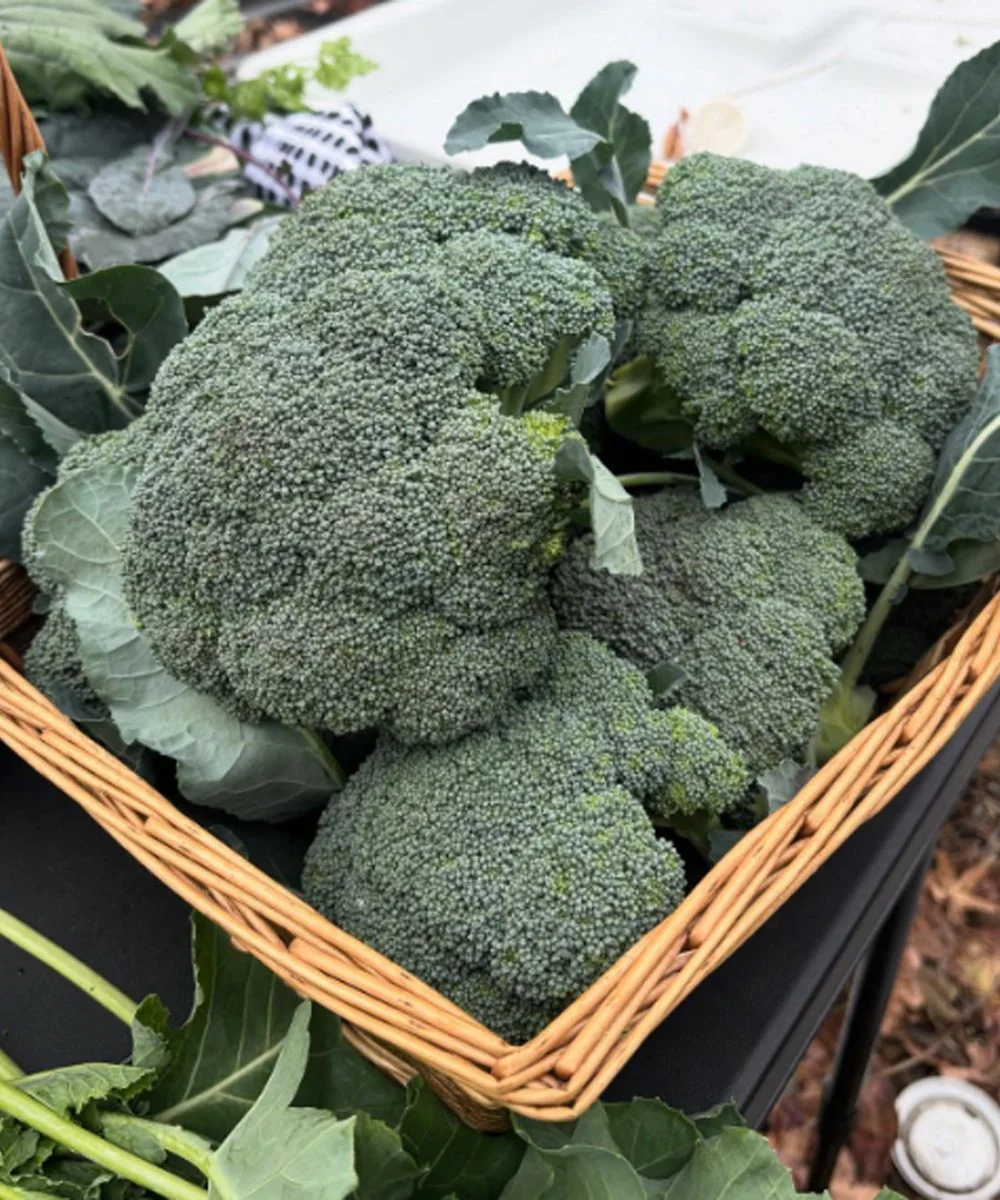
Broccoli may look like an ordinary side dish, but there’s a good reason it shows up so often in healthy meals. One serving brings fiber, vitamin C, vitamin K, folate, carotenoids, and other plant compounds to the plate.
And there’s another interesting part: how you cook broccoli can change what happens to some of those nutrients and plant compounds.
So if you usually boil your broccoli until it’s soft and dull, you may want to try a different approach.
1. It Gives You a Nutrient-Dense Vegetable
Broccoli provides several nutrients that are useful as part of a balanced diet, including:
- Vitamin C
- Vitamin K
- Folate
- Fiber
- Potassium
- Carotenoids such as lutein and zeaxanthin
It also contains glucosinolates, sulfur-containing compounds that are characteristic of cruciferous vegetables such as broccoli, cabbage, and Brussels sprouts.
That combination makes broccoli an easy way to add more nutrients to an everyday meal without relying on complicated recipes.
2. The Fiber Can Help Support Digestion
Broccoli contains dietary fiber, which helps add bulk to the diet and supports normal bowel function.
Fiber also contributes to a feeling of fullness, making broccoli useful in meals when you’re trying to build something satisfying without making the vegetable portion overly heavy.
The key is to think of broccoli as part of an overall high-quality diet rather than a standalone solution for digestive problems.
3. It Contains Plant Compounds Researchers Are Studying
One of the most interesting things about broccoli is its glucosinolate content.
When broccoli is cut, chewed, or otherwise damaged, glucosinolates can be converted into compounds including isothiocyanates such as sulforaphane. These compounds have been extensively studied for their biological effects.
That doesn’t mean eating broccoli prevents cancer or “detoxes” the body. Human research on cruciferous vegetables and cancer risk has produced mixed results, so broccoli is best viewed as one nutritious food within an overall healthy eating pattern.
4. It Can Be a Smart Choice for Filling Meals
Broccoli is relatively low in calories while providing fiber and a substantial amount of food volume.
That makes it easy to add to meals when you want something filling without relying entirely on calorie-dense ingredients.
Try adding it to:
- Chicken and rice bowls
- Pasta
- Omelets
- Stir-fries
- Soups
- Grain bowls
- Roasted vegetable plates


5. It Provides Compounds Linked With Eye and Bone Health
Broccoli contains carotenoids such as lutein and zeaxanthin, along with vitamin K and other nutrients.
Those nutrients are part of why eating a variety of vegetables is useful for an overall healthy diet.
Rather than focusing on one vegetable as a cure or guarantee, the better approach is to regularly include different colors and types of vegetables throughout the week.
6. It Can Support a Heart-Healthy Eating Pattern
Broccoli’s fiber and nutrient content make it a useful addition to a diet centered around vegetables, fruits, whole grains, legumes, nuts, and other minimally processed foods.
But it’s important not to turn that into a promise that broccoli alone will lower cholesterol or prevent heart disease.
Its biggest advantage is much simpler: it’s an easy nutrient-rich food to add to meals regularly.
7. You Don’t Have to Eat It Plain
If you normally avoid broccoli because you find it bland, the cooking method can make a huge difference.
A little olive oil, garlic, lemon, black pepper, or Parmesan can turn steamed or roasted broccoli into something you’ll actually want to eat.
And that matters because the best healthy food is often the one you genuinely enjoy enough to keep eating.
What’s the Best Way to Cook Broccoli?
This is where things get interesting.
Different cooking methods affect broccoli’s nutrients and glucosinolates differently. Research has found that boiling can cause substantial losses of glucosinolates because they move into the cooking water, while steaming and stir-frying can retain more of these compounds.
But there’s no single cooking method that preserves every nutrient perfectly.
Steaming: A Great Everyday Option
Steaming is one of the easiest ways to cook broccoli without submerging it in water.
Research has found that short steaming can be particularly favorable for preserving or promoting certain glucosinolate-related compounds. One study found that steaming broccoli for about 1–3 minutes increased sulforaphane yield under the conditions tested.
For everyday cooking, aim for broccoli that’s bright green and tender but still slightly firm.
You don’t need to cook it until it becomes soft and mushy.


Microwaving: Fast and Convenient
Don’t overlook the microwave.
Cooking broccoli quickly with a small amount of water can be a convenient option, especially when you don’t have time to steam it on the stove.
Research comparing cooking methods shows that microwave treatment can preserve some nutrients and glucosinolate compounds, although results vary depending on cooking time, temperature, and the amount of water used.
The practical rule is simple: short cooking times and minimal water are usually better than drowning the broccoli in a pot of water.
Quick Stir-Frying
Stir-frying is another good choice when you want more flavor.
Add a small amount of olive oil to a hot pan, toss in the broccoli, and cook it briefly until the florets are bright green and slightly tender.
You can add garlic, ginger, chili flakes, sesame seeds, or a splash of lemon juice at the end.
Research has found that stir-frying can retain glucosinolates better than boiling, although prolonged cooking can still affect some compounds.
What About Boiling?
Boiling isn’t forbidden.
It’s simply not the best choice if your main goal is to minimize the loss of water-soluble compounds.
Some glucosinolates can leach into the cooking water, and vitamin C can also be reduced during cooking.
If boiling is the method your family prefers, you don’t need to stop eating broccoli. You can simply keep the cooking time reasonable and avoid turning it into an overly soft vegetable.
A Simple 10-Minute Broccoli Recipe
Want an easy way to put all of this into practice?
Try this quick garlic-lemon broccoli.
Ingredients
- 4 cups broccoli florets
- 1 tablespoon olive oil
- 1 small garlic clove, finely minced
- 1–2 teaspoons fresh lemon juice
- Salt, to taste
- Black pepper, to taste
- Optional: grated Parmesan or red pepper flakes
How to Make It
1. Prepare the broccoli
Wash the broccoli and cut the florets into similar-sized pieces so they cook evenly.
Don’t throw away the stem. Peel the tougher outer layer and slice the tender inside into thin pieces.
2. Steam briefly
Steam the broccoli until it’s bright green and just tender.
You want some bite left rather than a completely soft texture.
3. Make the garlic mixture
While the broccoli cooks, warm the olive oil gently in a small pan and add the garlic.
Cook briefly without letting the garlic burn.
4. Combine everything
Transfer the broccoli to a bowl and toss it with the garlic-infused oil.
Add lemon juice, black pepper, and a little salt.
5. Finish and serve
Add Parmesan or red pepper flakes if you like.
Serve immediately as a side dish or add it to chicken, rice, pasta, or a grain bowl.


A Few Simple Ways to Get More From Your Broccoli
You don’t need complicated tricks.
Cut it evenly. Similar-sized pieces cook at roughly the same rate.
Use the stem. The tender inner part can be sliced and cooked just like the florets.
Don’t overcook it. Stop when it’s tender but still has some texture.
Use minimal water. This can help reduce losses of compounds that can leach into cooking water.
Make it taste good. Olive oil, lemon, garlic, herbs, spices, or Parmesan can make it much easier to enjoy regularly.
The Bottom Line
Broccoli isn’t a miracle food, but it’s an exceptionally useful vegetable to keep in your regular meal rotation.
It provides fiber, vitamin C, vitamin K, folate, carotenoids, and glucosinolates, while giving you plenty of ways to build a satisfying meal around it.
And when it comes to cooking, you don’t have to overthink it.
Steam it briefly, microwave it with little water, or give it a quick stir-fry. If you prefer another method, that’s fine too—the important thing is keeping broccoli enjoyable enough that you actually want to eat it.
Because the healthiest cooking method isn’t necessarily the one that sounds perfect on paper.
It’s the one that helps you keep delicious vegetables on your plate. 🥦