

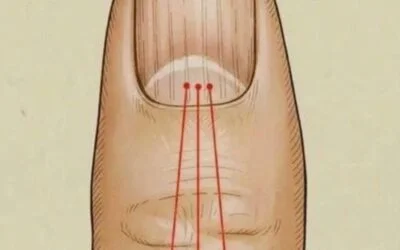
Nutrition isn’t the only thing that affects nail appearance.
Frequent exposure to water can weaken nails, especially when combined with repeated hand washing or cleaning products. The American Academy of Dermatology recommends protecting your nails from excessive water exposure and moisturizing after washing.
Harsh chemicals can also contribute to brittle nails.
If you regularly clean, wash dishes, garden, or work with your hands, consider wearing appropriate gloves and moisturizing your nails and surrounding skin afterward.
Simple Habits That Can Help Your Nails
You don’t need a complicated nail routine.
Moisturize Regularly
Apply moisturizer to your nails, cuticles, and surrounding skin, particularly after washing your hands and before bed.
Protect Your Hands
Wear gloves when your hands will spend a long time in water or come into contact with household cleaning products.
Don’t Pick at Your Cuticles
Cuticles help protect the nail root. Cutting or aggressively pushing them back can make it easier for bacteria and other germs to enter.
File Gently
If you need to smooth a rough edge, file in one direction rather than aggressively sawing back and forth.
Eat a Varied Diet
Instead of chasing individual “nail vitamins,” build meals around a variety of protein foods, vegetables, fruits, whole grains, beans, nuts, seeds, and other nutrient-rich foods.
When Should You Have Nail Ridges Checked?
Most mild vertical ridges aren’t an emergency.
But don’t dismiss a new or significant nail change simply because someone online calls it a vitamin deficiency.
See a healthcare professional or dermatologist if you notice:
- A sudden or dramatic change
- Nails becoming very thin or brittle
- Pain, swelling, or redness around the nail
- Nail lifting away from the nail bed
- Major changes in nail color
- Deep grooves or gaps
- A dark streak that is new or changing
- Changes affecting several nails without an obvious explanation
The American Academy of Dermatology specifically recommends having unexplained nail changes evaluated because some changes can be associated with infection, systemic disease, or—in the case of a new changing dark streak—melanoma.
What If You Think You’re Deficient?
Don’t use your nails as a home diagnostic test.
If you have ridges along with symptoms such as unusual fatigue, weakness, changes in appetite, hair changes, or other unexplained health problems, mention all of them to your doctor.
Depending on your symptoms and medical history, your clinician can decide whether blood tests or other evaluation are appropriate.
That’s much more useful than buying a handful of supplements and hoping one works.
Frequently Asked Questions
Are vertical nail ridges a sign of vitamin deficiency?
Not necessarily. Vertical ridges are common and can be associated with aging, brittle nails, dryness, nail trauma, and some nutritional deficiencies.
Which deficiency causes vertical ridges?
Iron deficiency is one recognized nutritional association, although vertical ridges aren’t specific enough to diagnose iron deficiency by themselves.
Will biotin get rid of nail ridges?
Not necessarily. Some small studies found improvements in brittle nails with high-dose biotin, but the NIH says evidence is limited, and biotin deficiency is rare.
Should I take iron because my nails have ridges?
No—not based on ridges alone. Iron supplements should be used when deficiency or another medical reason has been established.
Can aging cause vertical nail ridges?
Yes. Longitudinal ridging becomes more common with age, and brittle nails are also more common in older adults.
How long does it take for nails to improve?
Nails grow slowly, so changes don’t disappear overnight. Even when an underlying problem is corrected, healthy nail growth has to replace the affected portion. Cleveland Clinic notes that it can take several months to see changes as the nail grows out.
The Bottom Line
Vertical nail ridges can be surprisingly noticeable, but they’re not automatically a warning that you’re missing a vitamin.
Iron, zinc, biotin, B12, folate, and adequate protein all have roles in good nutrition and normal tissue maintenance. The biggest benefit comes from getting enough of these nutrients through a balanced diet—and correcting a genuine deficiency when one exists.
If your ridges are mild and your nails otherwise look healthy, focus on good nutrition, moisturization, and protecting your hands from excessive water and harsh chemicals.
If the change is sudden, severe, painful, involves unusual color, or keeps progressing, have it checked rather than trying to diagnose it with supplements.
The goal isn’t simply smoother-looking nails. It’s understanding why they’ve changed in the first place.